Five highlights from the AAT Annual Conference 2019
17 June 2019
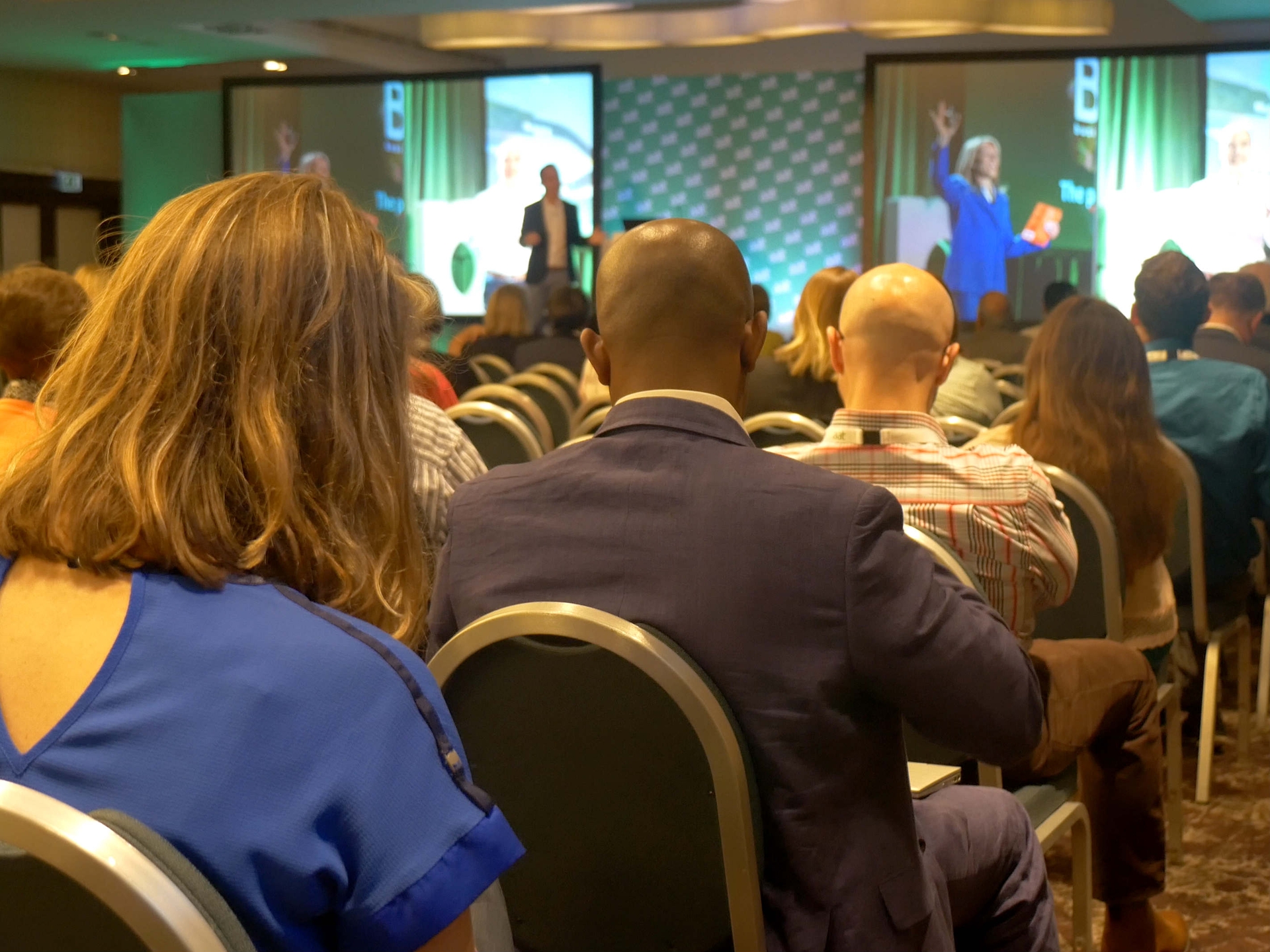
The eleventh AAT Annual Conference was held during Thursday 13 and Friday 14 June.
Around 250 AAT members from all over the country flocked to the Crowne Plaza in Stratford-upon-Avon to discuss critical issues facing the accounting industry as we head into the 2020s.
Here’s five things we learnt from the various speeches, seminars and awards that took place during the conference.
1. We're on the cusp of a decade of significant growth
So says Darren Shirlaw, co-founder of the BoB (Business of Brand) Group. Purpose-led businesses, he says, are set to innovate society in the ten-year period beginning in 2021, growing exponentially along the way. More innovation then we can ever imagine possible is right around the corner, according to Darren, with the public demanding products and services that are going to help protect and sustain our world.
He also pointed out that the 20th century growth cycle – where profits were everything to businesses, often to the cost of the earth – contributed to various negative factors including a halving of life expectancy for dogs between the 1950s and today. The most likely reason is the acceleration in processed foods and these being fed to them. Nowadays, consumers want products to innovate that will be far more ethically created than in the past, and for the good of all.
2. UK accountants aren’t submitting enough quality SARs
This despite the fact that more Suspicious Activity Reports (SARs) are submitted by the accounting industry in Britain then in the rest of Europe together! However, the government and governing bodies are aiming to clamp down in this area, with prosecutions for money laundering on the rise.
Adam Williamson, AAT’s Head of Professional Standards, told delegates that there is a huge amount of anti-money laundering compliance taking place, given both the rise in technological risks and the fact that accounting is a high-risk profession in this area. The impact of not being compliant is far greater then it used to be.
3. Seven in ten small businesses would not recommend their adviser to others
That’s according to research Xero conducted with 1,500 small business owners. Indeed, 27% of entrepreneurs said that they were likely to switch their accountant or bookkeeper over the current year.
However, within this gloomy outlook are many opportunities for the accounting industry, said Xero’s Vikki Bean. SMEs want their advisers to demonstrate knowledge of their industries, not just finance and accounting, and they also want accountants to be tech-savvy. There are plenty of courses agents can do to be digitally educated and understand other industries, while Vikki added the importance of inviting clients to events.
4. Incorporation of companies north of the border is more efficient than in the rest of the UK
Michael Steed’s popular tax clinics may have run twice during the conference, but it was still standing room only in both. Michael focused on whether it was worth incorporating a business in tax year 19/20, and found that it's far more tax efficient than remaining a sole trader depending on profits, will get even better in 20/21 due to a corporation tax fall, and is even more efficient in Scotland.
Michael also assured delegates that directors do not have to file tax returns if they have been taxed under PAYE (and have no other taxed income), focused on accruing for bonuses in a company at year end, and noted a major mismatch between tax and employment law that remains unresolved, for now.
5. Most AAT members who have been a mentor recognise the value of doing so ...
... according to a new AAT survey referenced by Sylvia Baldock in her session offering top tips on being a great mentor. Sylvia also discussed how being an effective mentor will be about fully understanding your mentee – and that means conducting personality tests to see how best to communicate with them.
A new AAT white paper on mentoring and accountancy is now available to read.
